Pumpkins are everywhere in October: at the market, in your soup and as decoration by the front door. So it is a fair question whether your dog can have some too. The short answer: yes, cooked pumpkin in small amounts is well tolerated by most dogs. For the autumn extra to be a truly good idea, it comes down to the variety, the preparation and the amount. Let's take a closer look.
Pumpkin is allowed, on two conditions
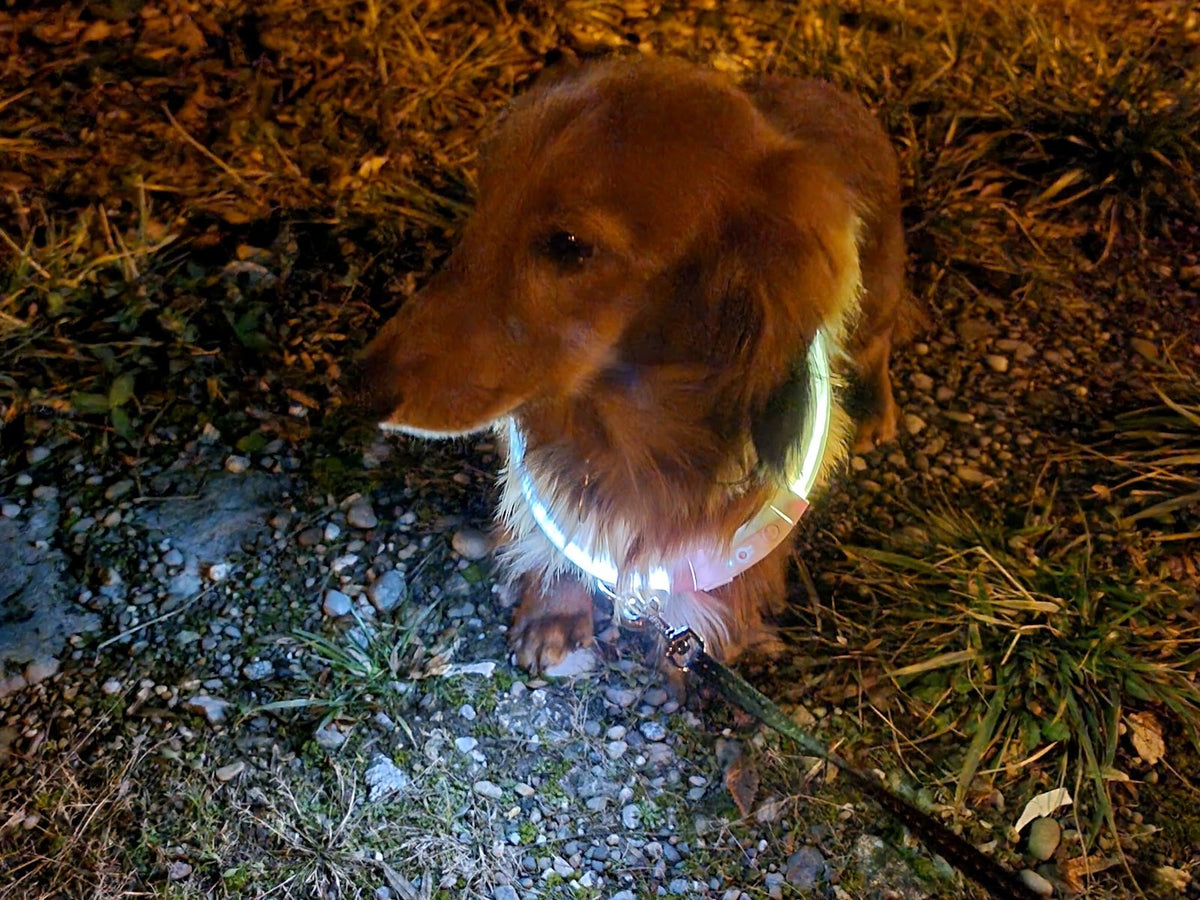
First condition: it must be an edible squash, for example Hokkaido, butternut or muscat squash from the food shop. Second condition: cooked and unseasoned. Soft-cooked pumpkin flesh is low in calories, high in water and provides fibre. Many dogs like the slightly sweet taste, and our Vico licks up his portion to the very last bit.
One thing to keep in mind: pumpkin is an extra, not a substitute for a balanced dog food. It complements the meal, nothing more.
Keep ornamental gourds away
As harmless as edible squash is, its decorative relatives are tricky. Ornamental gourds can contain cucurbitacins, bitter compounds that can cause vomiting and diarrhoea in dogs. Autumn decorations with small gourds therefore belong out of your dog's reach.
The same principle applies when tasting: if a pumpkin tastes bitter, it goes in the bin, even if it comes from your own garden. And the hollowed-out carving pumpkin that has been sitting outside the door for days is not a snack: mould and fermentation can build up in there. How to keep your dog away from risky finds on the ground is covered in our article on chestnuts, acorns and mushrooms.
How to prepare pumpkin for your dog
The preparation is straightforward:
- Peel the pumpkin and remove the seeds and the stringy centre (Hokkaido can be cooked with the skin on, it turns soft)
- Cut the flesh into cubes and boil or steam until soft
- Puree it or serve it in small pieces, lukewarm or cooled
- Strictly no salt, spices, onions, garlic, cream or butter
Leftover puree can be frozen in portions, for example in an ice cube tray. That way you have a small supply ready all autumn.
How much pumpkin is fine?
Start small: depending on your dog's size, with one teaspoon to one tablespoon of puree, and watch how he tolerates the new extra. As a rule of thumb, extras and treats together should make up no more than around ten per cent of the daily ration, otherwise the healthy idea slowly turns into winter weight.
Pumpkin also comes up a lot as a home remedy for digestive issues. Be cautious there: it is no substitute for treatment. If your dog has diarrhoea, constipation or a sensitive stomach, that question belongs with your vet first.
Two ways to serve it
The simplest option: mix the puree into the usual food. If your dog gulps down his meals in seconds, a slow feeder bowl such as the SlowFeed is worth it: the labyrinth structure spreads out food and puree, so your dog works for his portion piece by piece and eats noticeably more slowly.
The second option is our favourite for grey autumn days: a thin layer of pumpkin puree on a licking mat such as the SchleckSpass. The extended licking keeps your dog busy and has a calming effect on many dogs. To make it last longer, put the spread mat in the freezer for an hour beforehand. And if you would rather have pumpkin ready-made as a reward: the pumpkin oat treats from Lugano are made from six ingredients, including organic pumpkin, and are baked only after you order. You will find more feeding accessories in our Food & water accessories collection.
When to skip it
For dogs with known health conditions or on a special diet, discuss any new extra with your veterinary practice first. With puppies, ask briefly if in doubt. And if your dog reacts to the first portion with vomiting or diarrhoea, leave the pumpkin out again; if the symptoms persist, call your vet.
Frequently asked questions
Can dogs eat raw pumpkin?
Better not. Raw pumpkin is hard to digest, and hard pieces can become a choking risk, especially for small dogs. Cooked or steamed is the safe choice.
Are pumpkin seeds allowed for dogs?
Seeds from edible squash are not toxic. Whole seeds are a choking risk for small dogs, though, and salted or seasoned seeds from the snack aisle are off limits. If in doubt, simply leave the seeds out, the flesh is the uncomplicated part.
Does pumpkin help with diarrhoea or constipation?
Pumpkin is often recommended for this because its fibre binds water. But a home remedy is no substitute for a check-up: if the symptoms last longer than a day or are joined by fever, pain or listlessness, your dog belongs at the vet's.