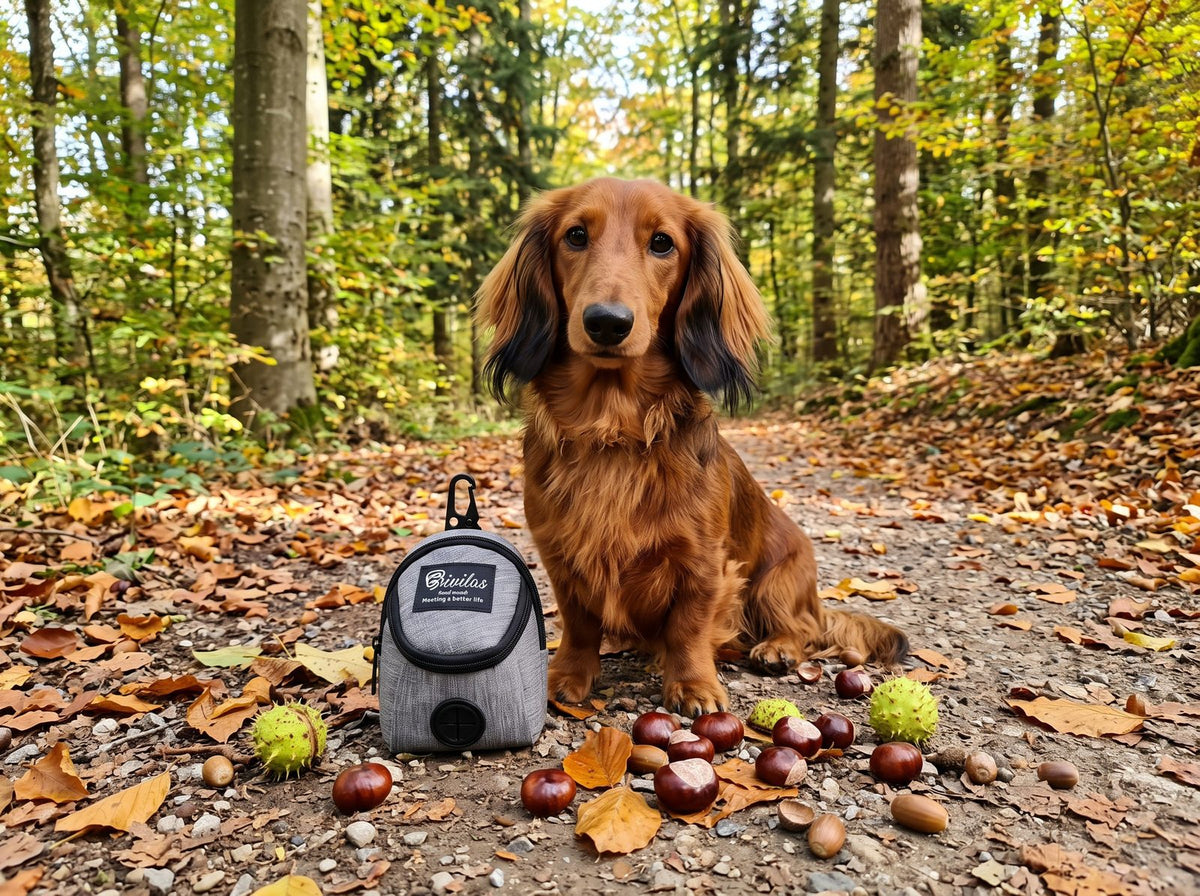
Perhaps you know the scene: on a chilly morning your dog gets up a little more slowly than usual, has a long stretch and needs a few steps before moving smoothly again. Right now in autumn, with the wet and cold setting in, it is worth paying attention to the joints. How mobile a dog stays into old age is not decided at the veterinary practice but every single day: on the stairs, jumping off the sofa and on slippery parquet. The good news: with a few simple habits you can noticeably reduce the strain on your dog's joints in everyday life.
Why joint care pays off for every dog
Joint problems are not just a senior topic. You lay the foundation for healthy joints at every age, from the growing puppy to the grey muzzle. Be especially mindful with breeds that have long backs and short legs: vets point out that for dachshunds and similarly built dogs, jumps from a height put more strain on the back and joints than for other dogs. Large, heavy breeds and very boisterous dogs also benefit when you take the peak loads out of everyday life. Our Vico is perfectly fit, yet one rule has applied in our home from day one: no jumping off the sofa.
Defusing jumps: sofa, car and bed
Jumping up is usually the smaller problem. The critical part is the jump down, because on landing your dog catches its entire weight with its front legs. The higher the furniture and the smaller the dog, the worse the ratio becomes. What helps: lift small dogs off the sofa or out of the car instead of letting them jump, and teach your dog to wait briefly until you help. For heavier dogs or for the car, a ramp or a small set of dog steps can be a sensible purchase. It may sound like pampering, but it is simply prevention.
Stairs and slippery floors
Healthy adult dogs are allowed to climb stairs, just not at full speed and not as a daily workout. Puppies, short-legged and older dogs are better carried wherever that is practical. Indoors, slippery floors are the secret enemy of joints: on parquet and tiles, paws slide away when getting up and in corners. Carpet runners along your dog's main routes work wonders. Also keep the claws short and trim excess fur between the pads so your dog stands on its pads rather than on slippery socks. After wet walks it is worth drying the paws briefly, not least because of the slipping hazard on hard floors.
Weight and steady exercise
The most effective joint protection costs nothing: a healthy weight. Your dog carries every extra kilo with every single step. As a rule of thumb, you should be able to feel the ribs with light pressure, and a waist should be visible from above. For exercise: better a moderate amount every day than one big marathon at the weekend. Start the walk gently so the muscles warm up before the wild play begins, and skip rough stop-and-go games on slippery ground in wet weather. Well-trained muscles support and relieve the joints better than any cautious shuffling: regular, calm exercise is care, not a risk.
Soft, warm and draught-free resting
After exercise comes recovery, and ideally that does not happen on a cold, hard floor. A soft, sufficiently thick pad relieves shoulders, elbows and hips while lying down and keeps the warmth close to the body. Our CozyNest bed mat (from CHF 39.95) is made exactly for this: thickly padded and cosy, with a non-slip underside, washable and available in three sizes from 55 to 90 cm. It is also designed for the sofa, so your dog lies softly and your upholstery is spared at the same time. Make sure the resting spot is draught-free; you can read how to choose the right sleeping spot in our guide Restful dog sleep. You will find more soft resting spots in our collection Dog beds, mats & blankets.
Massage as a care ritual
A gentle massage visibly relaxes many dogs, can stimulate blood flow in the muscles and has a practical side effect: you notice tension, sensitive spots or small lumps early. A good tool is the SpaPaws massage brush (CHF 14.95) with soft rubber bristles, which you can use dry or while bathing. Massage the muscles on the shoulders, back and thighs with calm, circular movements and do not press directly on joints or the spine. If your dog moves away or flinches at one spot, stop and keep an eye on that area.
When to see the vet
If your dog is limping, sparing one leg, suddenly reluctant to jump or climb stairs, noticeably stiff after resting or yelping when getting up, that belongs in the veterinary practice, even if it looks like a small thing. Very important: never give your dog painkillers from your own medicine cabinet. Many active ingredients that are harmless for us humans are toxic for dogs. The veterinary practice will clarify the cause and discuss with you what will really help your dog.
Frequently asked questions
From what age should I protect my dog's joints?
From the very beginning. For a growing puppy, stairs and jumps are particularly unfavourable; for an adult dog, weight and steady exercise matter most; for a senior, soft resting spots and shorter but more frequent walks come on top.
Is my dog still allowed on the sofa?
Yes, there is nothing wrong with cuddling on the sofa. What matters is the way down: lift small and short-legged dogs off or provide a ramp instead of letting them jump.
Do joint supplements help?
The range is huge and so are the promises. Whether a supplement makes sense for your dog depends on age, weight and health. Best discuss it with your veterinary practice before adding anything to the food.