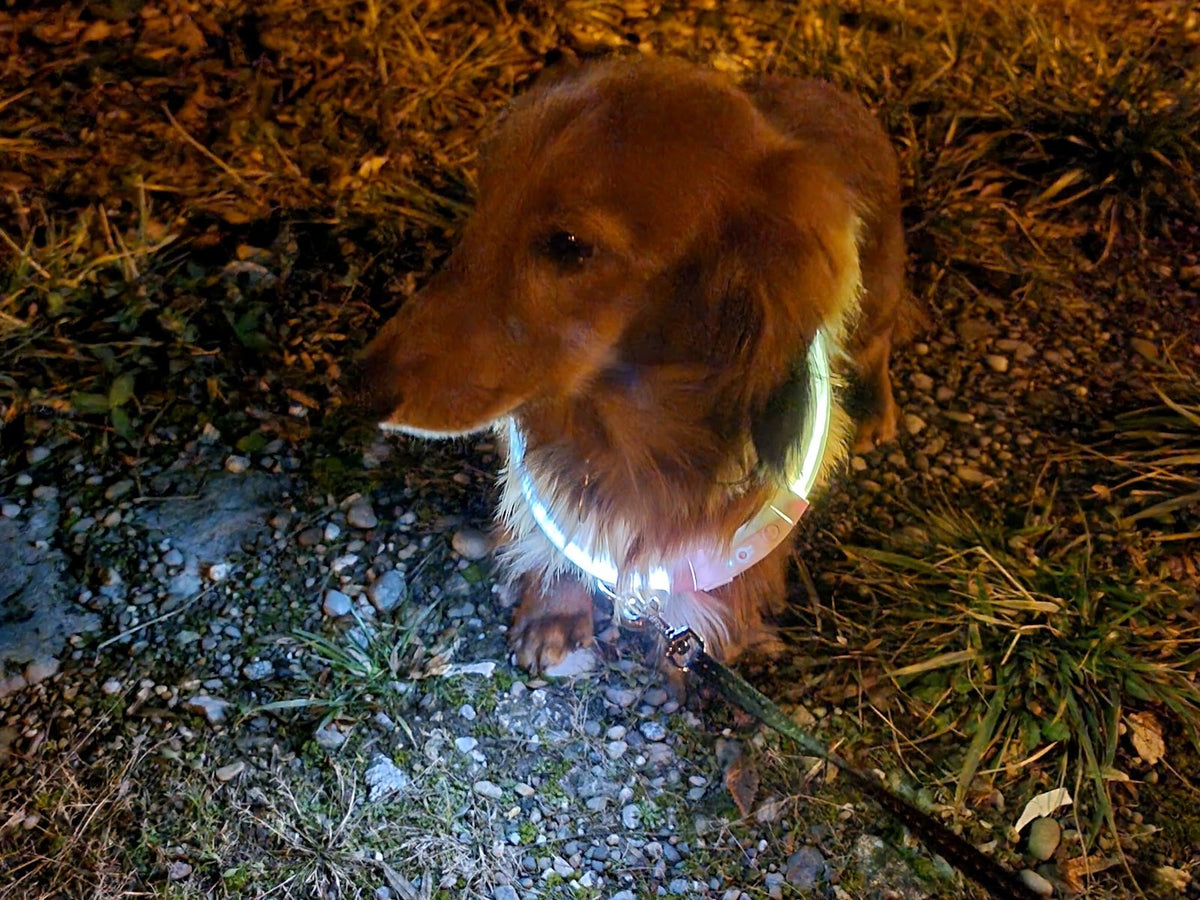
Shorter walks, earlier evenings on the sofa and the odd extra treat here and there: the cold season is cosy, but it has a side effect. Many dogs gain a few hundred grams between October and March, some considerably more. On a large dog this hardly shows, but on a small dog half a kilo quickly amounts to five to ten percent of their body weight.
The good news: winter weight gain is not inevitable. With a few simple habits you can keep an eye on your dog's weight without anyone having to go hungry. Our Vico handles it the same way: in winter he plays indoors instead of eating double.
Why dogs gain weight in winter
The maths is simple. In winter the walks are often shorter, the weather is less inviting for a good romp, and many dogs sleep more. At the same time the amount of food usually stays the same, and in the cosy season an extra bite falls off the table more often. A dog that burns less and eats just as much puts on weight. It happens gradually and, under the thicker winter coat, often goes unnoticed for a long time.
A few extra grams sound harmless. Vets point out, however, that excess weight puts strain on the joints and the back, especially in long-bodied breeds like dachshunds. You can read how to protect your dog's joints in everyday life in our article Protecting your dog's joints.
How to tell whether your dog has gained weight
Do not rely on looks alone, the winter coat hides a lot. Three simple checks will help you:
- Rib check: Run your flat hands over the ribcage. You should be able to feel the ribs easily under a thin layer of fat and fur, without having to press.
- Waistline: Seen from above, your dog should have a visible waist behind the ribs, and from the side a slightly tucked-up belly line.
- Weighing: Weigh your dog once a month; with small dogs, simply step on the bathroom scales holding them. Write the weight down and you will spot trends early.
If you are unsure whether your dog weighs too much, or if they suddenly gain weight despite being fed the same, have it checked at your veterinary practice. Your dog will be assessed objectively there, and other possible causes can be ruled out.
Adjust the food portion instead of dieting on your own
If your dog is noticeably less active in winter, the daily ration may be a little smaller. Reduce it in small steps and watch your dog's weight and energy. We advise against radical diets without professional guidance: if your dog is already clearly overweight, a weight-loss plan belongs in the hands of your veterinary practice.
Honesty about the extras matters too: chews, training rewards and that bite from the kitchen table all count towards the daily balance. As a rule of thumb, treats should make up no more than around ten percent of the daily food amount, and whatever you feed as a reward comes off the main meal.
Use treats cleverly
You do not have to give up rewards in winter, just use them more deliberately. Cut treats small; your dog counts the rewards, not their size. Crunchy treats with few ingredients, such as the handmade treats from Lugano, break easily and turn one piece into three rewards. And let your dog work for their food: a food puzzle like the Pawzzle Treats interactive toy rolls and wobbles at every touch and only releases the treats through two differently sized openings. Your dog eats more slowly, is mentally challenged, and part of the daily ration becomes several minutes of activity instead of a thirty-second meal. Brain work is pleasantly tiring and makes up for some of the missing exercise outdoors.
Play keeps your dog fit, indoors too
Exercise does not have to happen outdoors only in winter. Short, active play sessions indoors get the circulation going: a calm game of tug, searching for treats around the flat, or a few tricks. A rope toy like the ChewRope made of sturdy cotton rope works well for shared tug games and for independent chewing afterwards. Make sure you play on a non-slip surface, and play five minutes several times a day rather than half an hour in one go; that is gentler on the joints and keeps motivation high.
Outdoors, the rule is: regular and moderate beats rare and intense. Two or three brisk walks a day burn more than a single forced march at the weekend. You will find more ideas for indoors and outdoors in our Dog toys collection.
Frequently asked questions
How do I notice that my dog has put on winter weight?
With the rib check and a look at the waistline: if you can only feel the ribs by pressing, or the waist disappears, your dog has probably gained weight. Monthly weighing shows you the trend most reliably, because the winter coat deceives the eye.
How many treats are fine per day?
As a rule of thumb, treats should make up no more than around ten percent of the daily ration, and you subtract that amount from the main meal. Small pieces feel just as rewarding to your dog as large ones.
My dog has already gained quite a bit. What now?
First have your veterinary practice check whether the winter balance really is to blame or something else is behind it. You will also get a weight-loss plan there that suits your dog's age and health. Radical crash diets on your own are not suitable for dogs.